
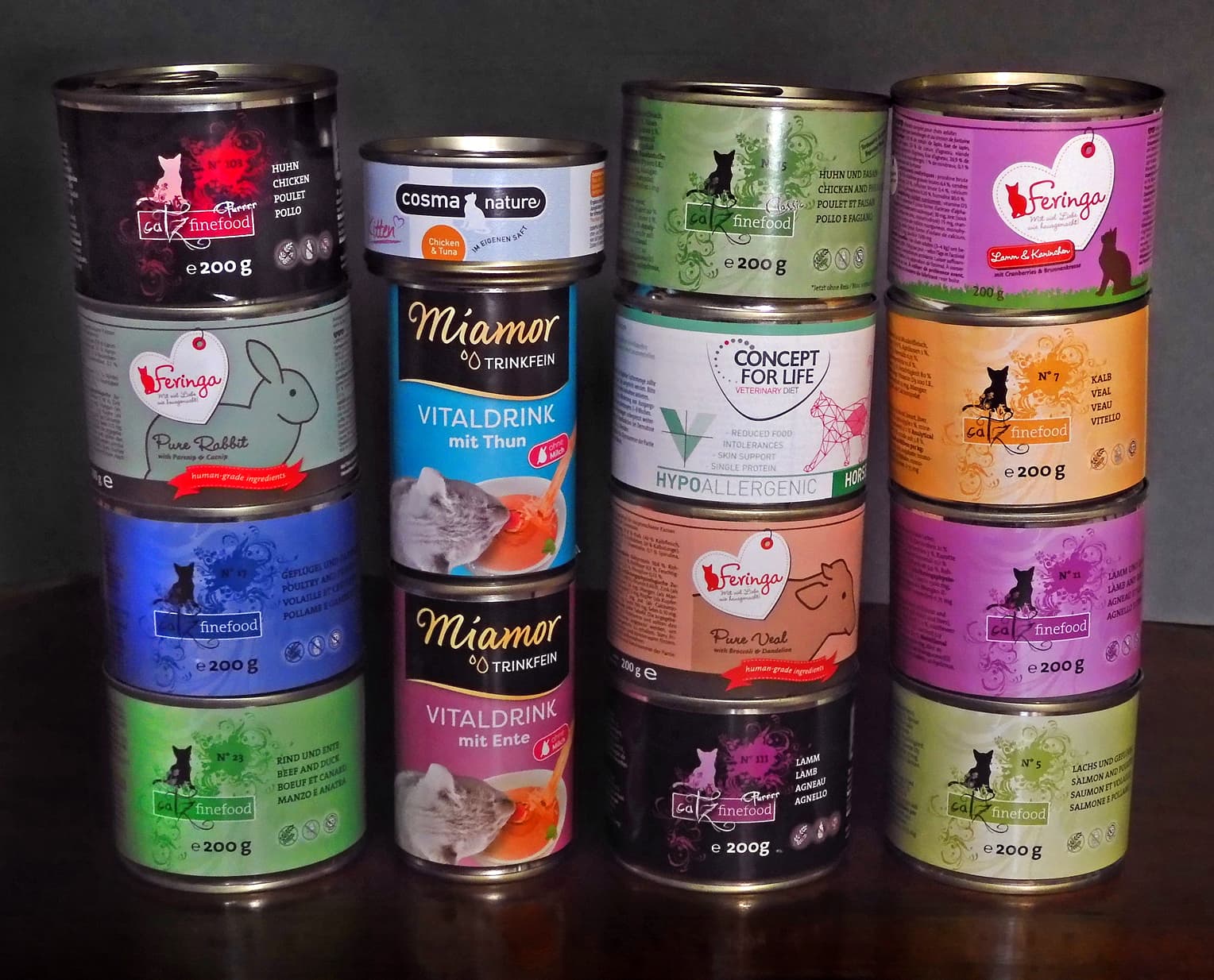
There's no single best cat food in NZ — the best one is a complete, balanced food your cat does well on and will actually eat, within your budget. For most cats we'd start with a premium NZ option like Ziwi Peak (air-dried, high-meat) and add wet food for hydration. Royal Canin and Hill's are the picks for cats with health needs; Black Hawk is a quality mid-range step up; Purina One and Pro Plan are reliable value.
Affiliate disclosure. Healthy Pets is reader-supported. When you buy through links on our site we may earn a small commission — at no extra cost to you. It never changes our picks. Prices were checked at NZ retailers and can change.
If you're standing in the pet aisle (or scrolling Pet Direct at 9pm) wondering which cat food is actually the best, here's the honest answer up front: there is no single "best" cat food in NZ. The best food is the complete and balanced one your cat does well on, will happily eat, and you can keep affording. That's it. A $90 premium bag your cat refuses is worse than a mid-range food it loves and thrives on.
So this guide isn't really a list of winners — it's how to choose. We'll cover the few principles that genuinely matter, then give you honest brand picks across every budget, from premium NZ air-dried right down to reliable supermarket value. No trashing the cheap stuff, no hype.
The one rule that matters most: complete and balanced
Before brand, before price, before grain-free or not — check that the food is labelled complete and balanced. That means it's formulated to meet a recognised nutrient standard (the WSAVA nutrition guidelines point to standards like AAFCO and FEDIAF) and can be fed as your cat's whole diet. "Complementary" foods, treats and toppers are not designed to be the main meal.
A good trick from the WSAVA is to look past the marketing on the front of the bag and ask the boring questions: who formulated this, do they employ a qualified nutritionist, and is the food tested? Reputable brands answer those happily. Pretty packaging and buzzwords like "natural" or "ancestral" don't tell you anything about whether the food actually meets your cat's needs.
Cats are obligate carnivores: they're built to get key nutrients from meat. The big one is taurine, an amino acid cats can't make enough of themselves — too little can damage their heart and eyes. This is exactly why you must never feed a cat dog food or a vegetarian/vegan diet. Dog food isn't formulated with enough taurine or animal protein for a cat, per the Cornell Feline Health Center. Always feed a food made for cats.
Read the ingredients: named meat first
Once a food is complete and balanced, the next thing worth a glance is the ingredient list. For an obligate carnivore, you want a named animal protein at or near the top — "chicken", "lamb", "beef" or "tuna", not a vague "meat and animal derivatives". Named is better than vague because you know what your cat is actually eating.
That said, don't get too precious about it. A bit of grain or vegetable in a complete food isn't poison — plenty of healthy NZ cats do brilliantly on foods that include some carbohydrate. Grain-free is useful for cats with specific sensitivities, but it isn't automatically "better" for every cat. The meat-first principle is a helpful filter, not a religion.
Wet food, dry food, and why hydration matters
Both wet and dry food can be complete and balanced — the form doesn't decide quality, the formulation does. But there's one genuine reason to make sure wet food is part of the picture: cats are terrible drinkers. They evolved getting most of their water from prey, so many cats just don't drink enough from a bowl.
Wet food is roughly 70–80% moisture, so it helps top up your cat's water intake. The Merck Veterinary Manual notes that good hydration supports urinary tract and kidney health — and urinary issues are common and miserable in cats, especially males. So even if you feed mostly dry for cost and convenience (totally reasonable), adding a wet meal or two a day is a cheap bit of insurance.
A practical NZ approach a lot of owners land on: a quality dry food free-fed or measured out, plus a sachet or tin of wet food once or twice daily. Best of both worlds — value and hydration.
Wet food helps, but it's not a substitute for fresh water. Many cats prefer running or wide, shallow bowls and will drink more if the water's away from their food. A pet water fountain can genuinely help a fussy drinker — handy if your cat has had urinary trouble before.
Life stage matters more than you'd think
A kitten, an adult and a senior cat have different needs, and good brands make foods for each. Kittens need more energy and protein for growing; adults need maintenance; seniors (around 7+, depending on the cat) often benefit from formulas that go easier on the kidneys and support ageing joints. Feeding a food labelled for your cat's life stage is an easy win.
This is also where the vet-recommended brands earn their keep. If your cat has a diagnosed issue — kidney disease, urinary crystals, weight to lose, a sensitive gut, allergies — there are therapeutic diets formulated for exactly that, and they can make a real difference. Those aren't a "just grab it off the shelf" decision, though.
If your cat is overweight, has had urinary or kidney trouble, is vomiting often, or is losing or gaining weight without reason, see your vet before changing food. Conditions like kidney disease and urinary problems often need a specific vet-guided diet to manage properly, and the right food is part of the treatment. We can point you at brands, but your vet knows your cat — this is one to get checked rather than guess.
The brands, honestly — from premium to value
Here's how the main options stack up for a typical NZ household. Tap through to check today's price at the retailer, since prices move around.
Ziwi Peak — our top pick for a premium NZ food. Made in New Zealand, Ziwi Peak is air-dried and very high in meat, with minimal fillers — about as close to a meat-rich diet as a convenient packaged food gets. It's not cheap, but it's the one we'd reach for if budget allows and your cat enjoys it (and many fussy cats devour it). The high-meat recipe suits the obligate-carnivore reality nicely.
Royal Canin and Hill's Science Diet — the vet-recommended pair. These two are the brands your vet most often suggests, and for good reason: they invest heavily in nutrition research and make life-stage and health-specific ranges. If your cat has a particular need — a sensitive stomach, a urinary history, weight management, kidney support, or just being a senior — Royal Canin's targeted formulas and Hill's Science Diet (and prescription Hill's where needed) are excellent, reliable choices. For a healthy cat with no issues they're a perfectly good everyday food too.
Black Hawk — quality mid-range. Popular in NZ for a reason: Black Hawk is a clear step up from supermarket food, with meat-forward recipes and options for sensitive tummies and grain-free, without the premium price tag of air-dried. A great middle ground if you want better quality but Ziwi Peak is a stretch on the weekly shop.
Purina One and Pro Plan — reliable mainstream value. Purina is a big, well-resourced company that does proper nutrition work, and Purina One (value) and Pro Plan (a step up) are solid, complete and balanced foods that keep plenty of NZ cats in great shape. If money's tight, these are a sensible, no-shame choice — far better than skipping quality meals.
Whiskas and Oscar — budget options. Both are widely available and affordable, and a complete-and-balanced budget food a cat eats well is genuinely fine for many healthy cats. They use more fillers and lower meat content than the picks above, so they're not where we'd start if you can stretch a little — but feeding your cat a proper budget cat food beats every alternative. We won't pretend otherwise.

How to actually pick (and switch) without the stress
Put it all together and choosing gets simple:
- Confirm it's complete and balanced for your cat's life stage. Non-negotiable.
- Check for a named meat near the top of the ingredients.
- Make sure wet food features somewhere for hydration, or that fresh water is always available.
- Match it to your budget honestly — a food you can sustain beats a premium one you can't.
- Watch your cat. Good coat, steady weight, decent energy, normal litter tray, happy to eat? You've found a good food.
Cats have sensitive stomachs and stubborn tastes. Change food gradually over roughly seven days — start with mostly the old food and a little new, then shift the ratio each day until it's all the new food. A sudden swap often means an upset tummy or a cat that flatly refuses the new bag. If your cat has ongoing tummy trouble, our guide to probiotics for cats may help, but persistent issues are worth a vet visit.
A quick note on cost too: the right food is only part of the picture. Dental health, for instance, isn't fixed by kibble alone — if you're thinking about your cat's teeth, dental treats for cats are worth a look alongside whatever you feed.
Never forget a flea treatment again
Get our free NZ Flea & Worming Reminder Calendar — a simple month-by-month plan for your cat or dog.
No spam. Unsubscribe anytime. We'll email you the calendar and occasional NZ pet-health tips.
Our verdict
If you want a single steer: for a healthy cat and a comfortable budget, Ziwi Peak is our premium NZ pick — high-meat, air-dried, and the kind of food that suits a carnivore. Add a wet meal for hydration. If your cat has any health issue, start with Royal Canin or Hill's Science Diet and your vet's advice. Want quality without the premium price? Black Hawk is the mid-range sweet spot. And if you're watching every dollar, Purina One or Pro Plan are reliable, complete foods with nothing to apologise for.
But remember the real rule: the best cat food in NZ is the complete, balanced one your cat does well on and will actually eat, within your budget — fed with fresh water always available, and switched over slowly when you change brands. Get that right and your cat's sorted.
The options compared
| Product | Best for | Protects against | Price (NZ$) | Rating | |
|---|---|---|---|---|---|
★ Top pickZiwi Peak | Fussy cats, premium feeders | Air-dried, high-meat | — | 4.8 | Check price at Petstock |
Royal Canin | Specific health needs, life stage | Vet-recommended, life-stage specific | — | 4.7 | Check price at Pet Direct |
Hill's Science Diet | Health conditions, senior cats | Vet-recommended dry & wet | — | 4.7 | Check price at Pet Direct |
Black Hawk | Sensitive tummies, everyday feeding | Quality mid-range, grain-free options | — | 4.6 | Check price at Animates |
Purina Pro Plan / One | Reliable value, mainstream feeding | Complete & balanced dry | — | 4.4 | Check price at Animates |
Our budget & premium picks
FAQs
Sources
- WSAVA Global Nutrition Guidelines — World Small Animal Veterinary Association
- Feeding Your Cat — Cornell Feline Health Center
- Nutrition in cats — Merck Veterinary Manual
- Find a vet / animal health advice — New Zealand Veterinary Association
Never forget a flea treatment again
Get our free NZ Flea & Worming Reminder Calendar — a simple month-by-month plan for your cat or dog.
No spam. Unsubscribe anytime. We'll email you the calendar and occasional NZ pet-health tips.